Markets take their shape from place
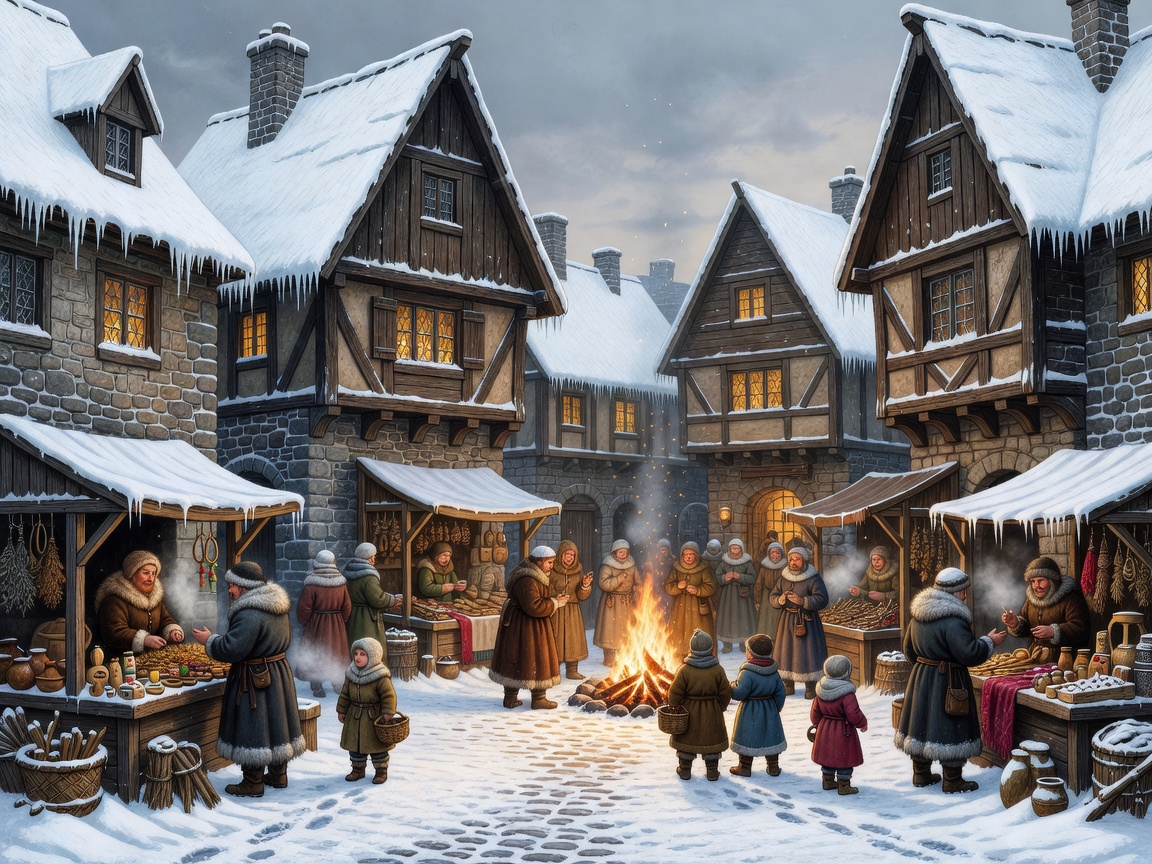
A market’s atmosphere is partly made by what is sold, but just as much by where people gather. In some cities, timber stalls sit within a long-established central square. Elsewhere, seasonal activity extends along pedestrian streets or occupies several public spaces. The relationship between everyday city life and a temporary winter event can be as interesting as the market itself.
In Strasbourg, the historic centre and its timber-framed architecture provide a distinctive Alsatian setting. Nuremberg is associated with a long-running traditional market culture and a prominent central square. Dresden’s historic centre offers a different architectural backdrop, while Vienna’s broad civic spaces and monumental buildings lend seasonal gatherings a more expansive scale. These descriptions are useful starting points, not guarantees of a particular layout or current programme.
Regional character is more than a border
Food, decoration, language, and craft reflect histories that often cross modern national boundaries. A pastry may be familiar across several neighbouring places, while a local version carries its own ingredients, shape, or family story. The same is true of carved ornaments, glasswork, and festive customs. Avoid expecting every market within one country to look alike; nearby cities can have different histories and contemporary approaches.
Prague’s old-town streets and squares bring visitors into close contact with historic façades and a dense urban centre. Tallinn’s compact medieval old town encourages attention to lanes, rooflines, and changing winter light. Kraków’s central square sits within a city whose cultural life reaches well beyond seasonal stalls. Copenhagen’s winter city experience often includes decorated shopping streets and broader seasonal activity, rather than a single uniform market model. Riga’s old-town setting and Brussels’ large urban public spaces offer other contrasts. Check current market locations and arrangements with organisers before travelling.
Large destination or smaller gathering?
A large, well-known market can offer a wide choice of food and goods, a lively public atmosphere, and more nearby cultural attractions. It may also mean denser crowds, busy transit, longer queues, and a greater need to choose quieter times or meeting points. A smaller market can feel easier to explore at a slower pace, and it may leave more room for ordinary neighbourhood life. On the other hand, it may have fewer stalls, less frequent transport, or a shorter seasonal programme. Size alone does not determine quality.
Families may value clear meeting points, nearby toilets, places to warm up, and short routes between activities. Those travelling with a stroller or mobility aid should check surface conditions, gradients, step-free access, and accessible facilities with the venue or city. Older paving can be beautiful but uneven; winter weather may make it slippery. Crowd density changes during the day and across the season, so consult current visitor guidance and allow a flexible route.
Architecture, daylight, and weather
Stone façades, timber houses, churches, civic buildings, and courtyards all change the way a market feels. Notice whether stalls are set against a monumental backdrop or threaded through narrow streets. In northern and central Europe, daylight is limited in winter, though the exact experience varies by latitude and date. Dusk can make lights especially noticeable, while early darkness and cold temperatures also make warm layers, comfortable footwear, and a plan for breaks important.
Snow is never guaranteed. Rain, wind, frost, or mild conditions are all possible, and local weather can shift quickly. Choose a destination for what it offers even without a postcard snowfall: architecture, museums, food, neighbourhood walks, and public transport are valuable parts of a winter visit.
Compare places, not rankings
Rather than relying on unverified lists or crowd claims, compare the practical and cultural details that matter to you. Consider how many days you have, whether you prefer a compact walkable centre, which regional food or craft traditions interest you, and how easily you can reach the city by rail or air. Check official visitor information for current market areas, access arrangements, transport changes, and event details. Organiser information is the best source for dates and opening arrangements, which can change from year to year.
A useful comparison includes the market’s setting, the wider cultural offer, likely walking distances, accommodation availability, and the kind of pace your group enjoys. Think about a backup indoor activity for wet weather and whether a second destination is worth the added journey. One well-chosen city can be more rewarding than a rushed itinerary across several places.
A practical destination checklist
- Identify the market locations and the surrounding historic or civic spaces.
- Check official access, transport, and current seasonal information.
- Compare travel time with the number of days available.
- Consider crowd comfort, family needs, and step-free access information.
- Research local food and craft traditions without assuming they are identical across a region.
- Pack for changing winter weather and plan warm indoor pauses.
- Choose a destination for its wider city character as well as its market.
For a balanced trip, pair this guide with winter accommodation advice and our guide to regional Christmas food. Questions or suggestions? Contact the editorial team.